Kratom creeps up on people. One day you hear a friend rave about green maeng da kratom for focus, the next you’re staring at a bag of kratom powder wondering how much to scoop, how long it lasts, and whether that yellow kratom you saw online is a real thing or just marketing. The trick with kratom isn’t bravado, it’s finesse. The right dose is a moving target shaped by strain, tolerance, your body, and even whether you ate a big lunch. Get the balance right and you’ll understand why users talk about kratom benefits for energy, mood, and calm. Overshoot and you’re googling how to reduce kratom nausea with a ginger tea in hand.
I’ve spent enough time with kratom leaves, capsules, and the occasional kratom tea to respect its quirks. This guide offers a practical, lived-in kratom dosage guide by strain and tolerance, plus the science that explains why those little green particles can feel different from one day to the next.
A quick primer: what is kratom and how it works
Kratom comes from Mitragyna speciosa, a tropical tree native to Thailand and Indonesia. Farmers have chewed kratom leaves for generations to ease long days in the heat. In modern use, kratom types are sold as kratom powder, kratom capsules, kratom shots, and kratom extract. Color names like red, green, white, and yellow refer to drying and processing differences more than literal leaf color.
The main kratom alkaloids are mitragynine and 7‑hydroxymitragynine. They engage opioid receptors, adrenergic systems, and other targets, which is a fancy way of saying kratom pharmacology blends mild opioid-like effects with stimulation and mood shaping. At lower doses, many report kratom for energy, focus, and productivity. At higher doses, kratom for relaxation, mood, and sleep takes center stage. The balance depends on the strain, your metabolism, and your tolerance.
A note on safety and legality: kratom is legal in many places, restricted in others. Laws shift often. If you’re unsure, check a current kratom legality map or your local regulations. The FDA and kratom relationship is complicated, with ongoing kratom research and policy debates. If you take medications, especially those that affect the liver or brain, talk to a clinician before experimenting.
How much kratom to take: the short answer
Most beginners land in the 1 to 3 gram range for kratom powder, taken on an empty stomach. That usually translates to 2 to 6 regular capsules, depending on fill size. Effects often start within 30 to 45 minutes, peak by 1 to 2 hours, and can last 3 to 6 hours. If you need more, increase gradually by 0.5 to 1 gram on another day, not in the same session. That’s the kratom dosage guide in a nutshell.
Now for the nuance that matters in real life.
The difference strain makes, and what those colors really signal
The internet loves neat boxes. Real kratom strains are messier. Still, color categories do hint at typical profiles:
- Greens, such as green maeng da kratom, often feel balanced. Users describe a clean lift, better focus, and a calmer mood without heavy sedation. Whites, such as white borneo kratom, tend toward stimulation and motivation. Great for morning tasks if the dose is reined in. Reds, like red bali kratom, skew relaxing. People reach for them when they want relief from stress or to settle down at night. Yellows vary widely. Some sellers label “yellow kratom” for blends or specific drying techniques that soften edges and add a mellow tone.
None of this overrides dose. A “stimulating” white can feel heavy at a high dose, and a “relaxing” red can feel perky at a low one. If you see a kratom strain comparison chart, treat it as a compass, not a GPS.
Tolerance, metabolism, and why yesterday’s dose might feel different today
Kratom tolerance builds quickly for many people. Use it daily and you may notice diminished kratom effects in a week or two. Your body upregulates and downregulates receptors, enzymes adapt, and suddenly the same scoop doesn’t hit. Sleep, hydration, and food intake shift absorption. Some people metabolize mitragynine faster due to genetics and enzyme activity. That Discover more shows up as a shorter kratom duration, or more muted effects unless they dose a bit higher.
This is where patience pays off. Instead of chasing yesterday’s high, reduce frequency and rotate strains to keep novelty. Take a kratom tolerance break for several days when you can. Your future self will thank you.
The classic dose curve: why small feels different than large
Kratom is notorious for biphasic effects. Lower doses often feel energizing and focusing. Higher doses feel heavier, more relaxing, and sometimes sedating. A rough sketch for kratom powder, assuming no tolerance:
- 1 to 2 grams: subtle lift, fewer jitters than caffeine, mild mood support. Good starting point for kratom for beginners. 2 to 3.5 grams: brighter energy, improved focus, gentle euphoria for some users. Work and productivity sweet spot for greens and whites. 3.5 to 5 grams: warmer mood, relaxation, body comfort. Often preferred for reds in the evening. 5+ grams: amplified effects and more side effects. The line from calm to couch can be thin, and nausea risk grows.
Kratom extract and kratom shots complicate this curve. Extract concentrates the alkaloids, so a small amount can equal several grams of leaf. Beginners should not start with extract. If you do try it, use tiny amounts measured precisely and do not stack with a full powdered dose. The same logic applies to kratom drinks premixed with extract.
How long does kratom last, and what is the half life
The kratom effects timeline depends on your stomach, dose, and product. On an empty stomach, tea or toss and wash can kick in within 20 to 30 minutes. Capsules need more time, often 45 to 60 minutes, because the gelatin must dissolve. The peak arrives around 1 to 2 hours, then slowly tapers. For many people, the main kratom duration is 3 to 4 hours for lighter doses and up to 6 hours for heavier doses.
Mitragynine’s half life sits in a broad range, roughly 3 to 9 hours reported in studies, with active metabolites extending dynamics. You may feel lingering calm or residual stimulation beyond the peak. If you dose late, it can nudge your sleep. If you have a delicate sleep cycle, reserve whites and greens for the morning and save modest reds for late afternoon or evening.
Strain by strain: dialing in the dose
Green maeng da kratom deserves its reputation for consistency. At 2 to 3 grams on an empty stomach, many users find clear-headed energy, better focus, and a balanced mood. If you need more oomph, 3.5 grams can add warmth without much fog, assuming no tolerance. It is my default for chores, writing, and days when coffee alone feels scattered.
White borneo kratom is punchier. In the 1.5 to 2.5 gram range, it can lift motivation and reduce procrastination. Overshoot and the edge can sharpen into restlessness. I rarely push whites beyond 3 grams unless my tolerance is high, and even then, I pair it with food to blunt the spike.
Red bali kratom shines after work. A 2.5 to 4 gram window helps most people exhale and let their muscles settle. If you’re sensitive, start at 2 grams and gauge heaviness. For sleep support, some go to 4 grams or more, but that’s where grogginess in the morning becomes likely, and side effects like constipation creep in with frequent use.

Yellow kratom is the wildcard. Vendors use the label for blends or post-harvest processes that mellow the experience. I treat yellows like friendly greens. Start at 2 grams. Expect softer energy and a smoother mood without the white’s edge or the red’s propensity for couch lock.
Kratom blends can be helpful if you struggle with single-strain swings. A green-white blend around 2 to 3 grams often rides the line between get-things-done and still-feels-natural. A red-green blend can turn down evening tension without turning off the lights.
Capsules, powder, tea, and shots: how to take kratom without regretting it
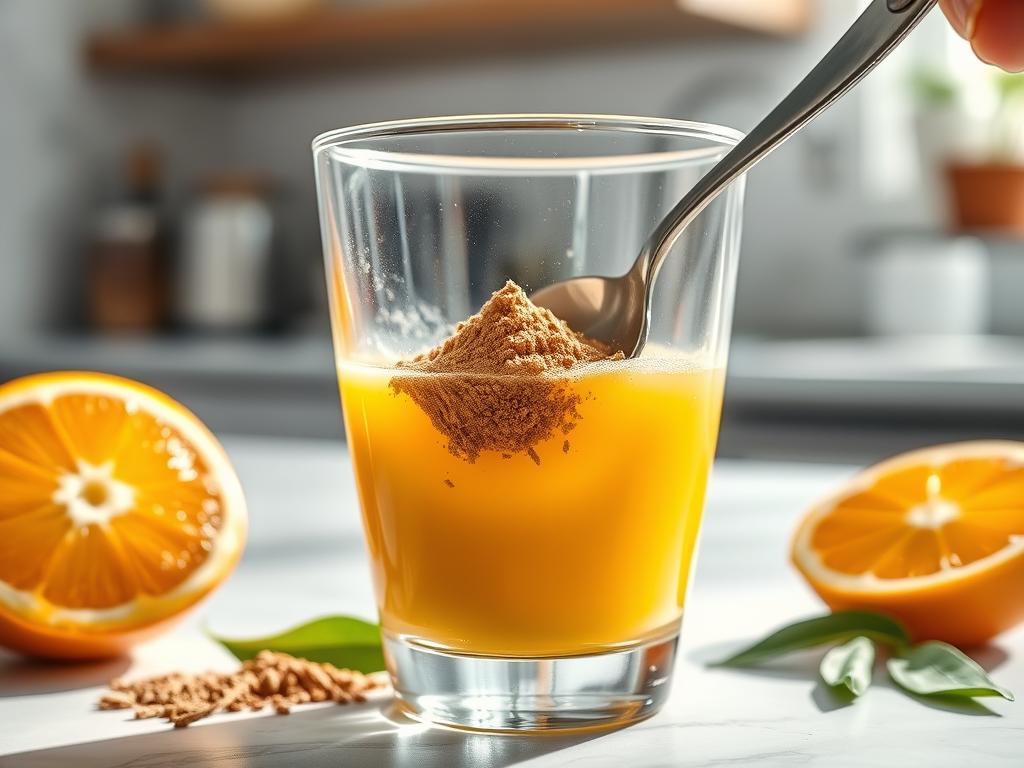
Powder hits fastest and gives you control over tiny dose adjustments. Toss and wash is simple but can taste like a lawn trimmings milkshake. Kratom tea, simmered gently for 15 to 20 minutes and strained, is kinder to the stomach. It may feel a hair less intense milligram-for-milligram, though many find the smoother onset worth it. Adding lemon helps extraction and masks flavor. Honey helps morale.
Capsules trade speed for convenience. They lag about 15 to 30 minutes behind powder but shine for workdays and travel. Know your capsule size. A common 00 capsule holds roughly 0.5 grams of kratom powder, but density varies by grind.
Kratom shots and ready-made drinks often rely on extract. They kick fast and hard, which makes them more likely to cause nausea and tolerance. If you try one, cut a serving in half and sit with it for a full hour before deciding you “need more.”
Food is a lever. An empty stomach enhances absorption and can sharpen the experience. A small snack before dosing reduces nausea. A full meal can smother the first hour and delay the peak, which sometimes encourages redosing too soon. Pick your trade-off.
Hydration matters. Kratom and coffee is a common pairing, but both can dehydrate and irritate the stomach. Slip a glass of water between sips of anything caffeinated.
The side of the label nobody reads: kratom side effects and how to avoid them
Kratom has a personality, and it tells you when you’ve crossed a line. At low to moderate doses, side effects are often minimal. Push higher and you invite nausea, constipation, dizziness, and a heavy-headed fog that feels the opposite of productive. The “wobbles,” slang for nystagmus-like eye movement and dizziness, tend to show up with stronger doses, extracts, or sensitive users.
If nausea knocks, ginger tea, peppermint, or a light snack can help. If constipation becomes an issue, increase fiber and fluids, and reduce dose and frequency. Take days off. Respect the plateau. Doubling down because you “barely feel it” is how people teach themselves bad habits.
The bigger risks arrive with heavy, daily use. Kratom tolerance ramps up, and kratom withdrawal, though generally milder than traditional opioids, can include irritability, restlessness, poor sleep, and aches for a few days. The fix is annoyingly simple and highly effective: take breaks, rotate strains, and resist escalating doses as your first move.
Timing, frequency, and a routine that actually works
Treat kratom like you treat coffee or pre-workout, something to use intentionally. For a lot of people, once a day is plenty. Twice a day can work if the doses are modest and spaced out. Taking kratom in the morning pairs best with greens and whites in small amounts. Evenings favor reds, and slightly higher doses can make sense if your goal is relaxation, not spreadsheets.
Kratom for productivity is at its best when you keep doses tight, hydrate, and avoid redosing mid-task. If you absolutely must redose, wait at least 3 hours and keep the second dose smaller than the first. That extends the runway without catapulting you into side-effect territory.
Enhancers, potentiators, and common myths
Yes, some things can make kratom feel stronger. Grapefruit can slow metabolism and intensify effects. So can cimetidine, a heartburn medication. That’s not a free upgrade. It complicates predictability and increases the risk of side effects. If you go down that path, know exactly what you’re doing and why.
Magnesium helps with muscle tension and may blunt tolerance by supporting NMDA receptor balance, though evidence is not definitive. Turmeric is a favorite for some, but it can also affect drug metabolism. Black seed oil, agmatine, and cayenne have their fans. Keep experiments small and separate. Don’t mix a new supplement with a new kratom dose and a different strain. You’ll learn nothing except how chaos feels.
On the myth side, color differences are not permanent genetic differences baked into the kratom plant. They reflect processing, harvest timing, and blending choices. Kratom chemical structure varies by leaf and batch, but not in magical ways that justify claims of a “super strain” that solves everything. If a seller pitches kratom for depression as a guaranteed fix, run. People do report mood support, less anxiety, and better motivation at modest doses, but kratom is not a cure, and daily heavy use can backfire.
How kratom fits with diet, caffeine, alcohol, and your day
Kratom and caffeine can coexist if you keep both small. I’ll sometimes take 2 grams of a green with a half cup of coffee and a banana, then get to work. Try that with a double espresso and 4 grams of a white, and you’ll invent new synonyms for jittery.
Alcohol and kratom are a poor pairing. Both can depress the central nervous system at higher doses and irritate the stomach. If you’re trying to reduce drinking, some find that kratom helps fill the ritual. If that’s you, pick gentle doses, drink water, and watch for substitution creep.
Food interacts with absorption more than anything. High-fat meals slow the onset. Spicy meals plus kratom can irritate the gut. A light snack and a warm tea will usually treat you better than a burger and a toss and wash.
How to make kratom tea that doesn’t taste like a dare
You don’t need a ceremony, just a saucepan and patience. Add your desired kratom powder to water, bring to a soft simmer, and hold it there for 15 to 20 minutes. Avoid a rolling boil. Stir occasionally. Add lemon juice to help pull alkaloids into the water. Strain through a fine mesh, coffee filter, or cheesecloth. Sweeten with honey or a dash of apple juice. The tea often feels smoother than raw powder. I find 10 percent more powder in tea balances the difference for me, but your mileage may vary.
Storage, shelf life, and when to toss it
Kratom shelf life depends on exposure to heat, light, air, and humidity. Store kratom leaves or powder in airtight containers, kept cool and dark. A sealed bag tucked in a cupboard is fine. Freezing is usually overkill. Does kratom expire? It loses potency slowly over months. If a bag tastes flat and requires a noticeably higher dose, it may be oxidized. Old kratom isn’t typically dangerous, just dull. Don’t chase potency by doubling the dose of a stale bag. Start fresh.
Safety habits that save headaches
Here’s a compact checklist worth taping inside a cupboard.
- Start low, 1 to 2 grams, and wait a full hour before adjusting. Use a scale. Scoops lie. Capsules vary. Dose on an empty stomach for predictability; add a light snack if nausea appears. Take days off, rotate strains, and keep a weekly cap on total doses. Avoid mixing with alcohol, sedatives, or unknown potentiators.
How long to wait between doses, and when to take a break
Given the kratom half life, spacing doses by 6 to 8 hours minimizes stacking. If you use kratom daily for a week, consider a weekend off. A kratom tolerance break of 3 to 7 days restores sensitivity for many people. The first day can feel sluggish, especially if you’ve leaned on kratom for motivation. Hydrate, move your body, and sleep early. If mild withdrawal shows up, it usually fades in a few days.
Choosing strains and rotating without losing the plot
You don’t need a dozen strains. Pick a dependable green for daytime, a restrained white for early mornings or workouts, and a calming red for evenings. If you like experimentation, layer in a yellow or a blend. Switch every few days. The goal is not collector status; it’s maintaining effectiveness without creeping doses.
Where science stands right now
Kratom science is maturing but still young. There are human kratom studies on pharmacokinetics, receptor activity, and self-reported outcomes, plus animal research mapping mitragynine and 7‑hydroxymitragynine pathways. The pattern is consistent with user experience: mild to moderate psychoactive effects, dependence potential with heavy use, analgesic properties, and a safety profile that tightens or loosens depending on purity, dose, and polydrug use. Ongoing kratom research and regulation updates will continue to shape the landscape. Respect uncertainty and stay adaptable.
A few real situations and the doses that tend to work
A designer friends swears by 2.3 grams of green maeng da with a yogurt, taken at 8 a.m. She says it feels like someone turned down the static and turned up the lamp over her desk. A warehouse worker with a temperamental back leans on 3.5 grams of red bali after dinner on heavy days, then takes two kratom-free days per week to keep tolerance down. A grad student uses 2 grams of white borneo before morning seminars and refuses to redose before noon. On exam weeks he swaps a white for a green to reduce fidgeting.
These aren’t prescriptions. They are patterns that repeat in the kratom community discussions and in my notes. The consistent winners keep doses modest, avoid stacking alcohol or sedatives, and rotate strains. The people who struggle usually push into extract too soon, mix substances, or treat kratom like a daily multivitamin rather than an occasional tool.
Red vs green, green vs white, and what actually matters
Color debates can spiral. Red vs green kratom? Greens bring focus with less lethargy; reds bring calm with less edge. Green vs white kratom? Whites hit cleaner in the first hour but can tip into nervous energy if you overshoot. The practical shaper isn’t the color as much as the dose and context. If you’re heading into a long writing session, a 2 to 3 gram green is hard to beat. If you’re winding down, 3 to 4 grams of a red is the smooth exit. If you have to present to a room, a careful 1.5 to 2 grams of a white can lift confidence without turning you into a hummingbird.
When to skip kratom completely
Skip it if you’re driving or doing hazardous work. Skip it if you’re pregnant or breastfeeding. Skip it if you’re on medications with narrow therapeutic windows, especially those metabolized by CYP enzymes without consulting a clinician. Skip it if today is already a three-coffee, low-sleep day. Skip it if you’re in a spiral of redosing to chase early feelings. The best dose sometimes is none.
The bottom line for your first month
Start low, be patient, and keep notes. You’ll see patterns after a week or two. Track strain, dose, timing, food, and how long it lasted. Write down any kratom side effects, like nausea or headaches, and adjust. Your goal is a small, reliable dose that gives you clear benefits with minimal baggage, not bragging rights.
One last habit: end each week with a reset day. Drink water, go for a walk, sleep early, and let your receptors remember life without help. Kratom isn’t a villain or a savior. It’s a plant with a personality, and like any relationship worth keeping, it asks for a little respect.